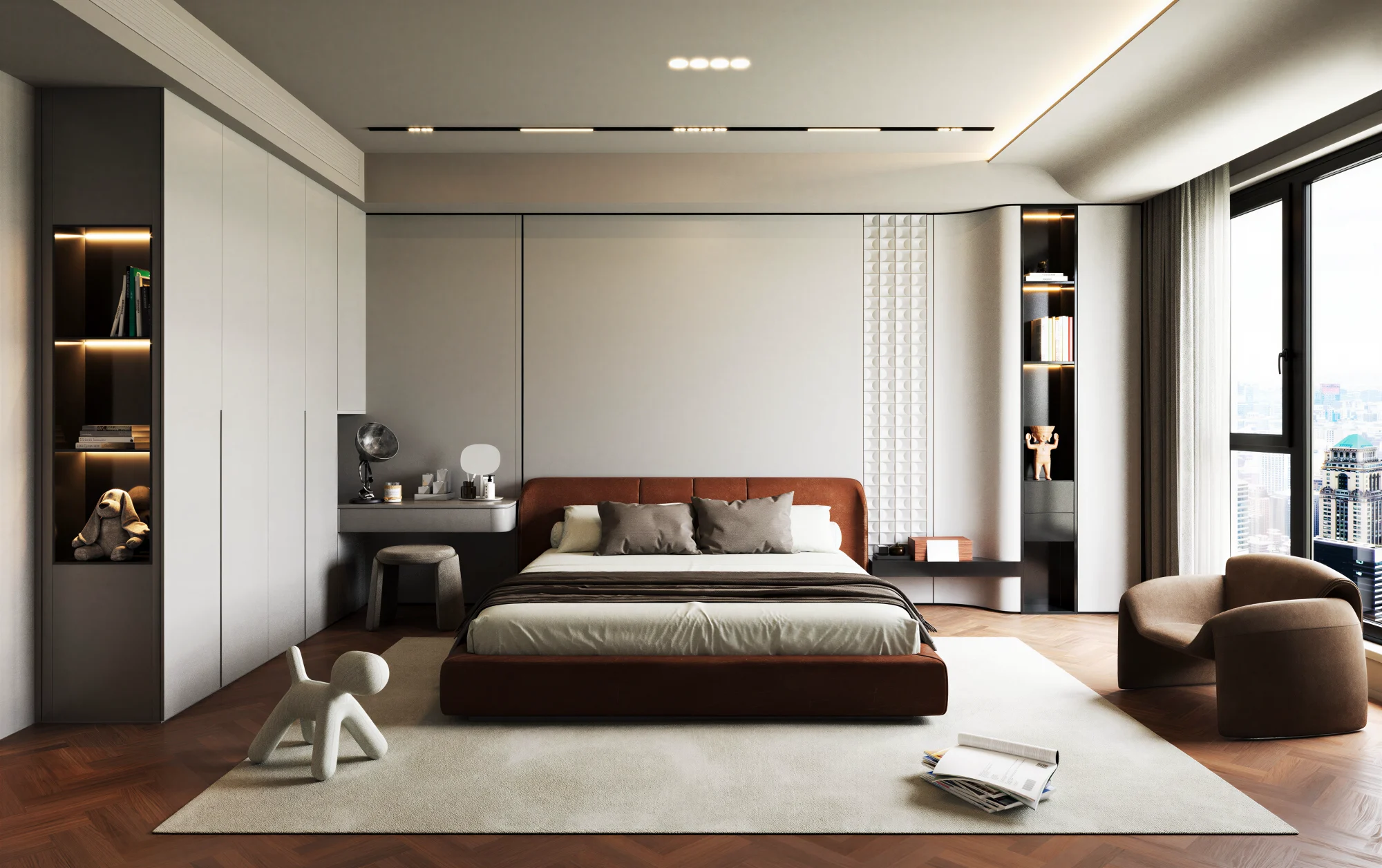
The most costly design mistakes don’t happen on-site.
They happen long before construction begins.
The problem is that nobody sees them coming.
A color that looked great on paper suddenly feels overwhelming in real life.
A room feels smaller than expected.
A finish doesn’t quite have the impact everyone imagined.
A stakeholder signs off on something they thought they understood, only to realize later that they had interpreted it differently.
By then, changes become expensive.
This is where 3D visualization earns its keep.
Not as a marketing tool.
As a decision-making tool.
When people can explore a space before it’s built, understand proportions, assess materials and experience a design from multiple angles, they spot opportunities and issues much earlier in the process.
The result? Better decisions. Fewer surprises. Less rework. And significantly lower costs.
At 3D Imagined, we often tell clients that the value of a render isn’t in the image itself.
It’s in the conversations it creates before the first brick is laid, the first wall goes up or the first space is fitted out.
Because changing a render is easy.
Changing reality is considerably more expensive.